
Prevention beats treatment every time. After 12 years formulating joint protocols for working dogs, I've learned that waiting until arthritis appears means you've already lost ground. The dogs with the healthiest joints at age 10 are the ones whose owners started supporting joint health at age 2.
This guide covers my complete approach to joint health across a dog's lifetime, including the exact protocols I use for my own Border Collies and Australian Shepherd.
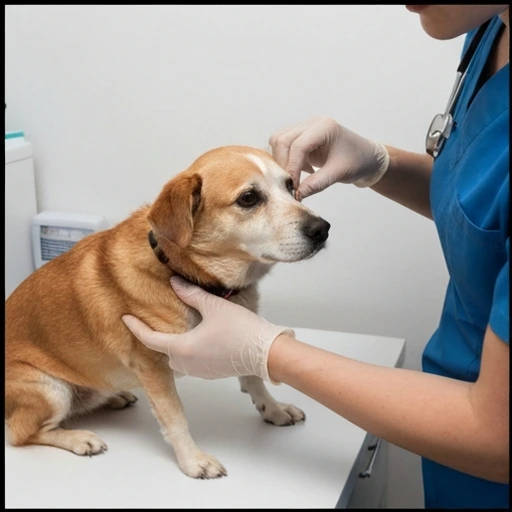
Puppyhood to 1 Year: Foundation Building
Focus Areas
During growth, the priority is NOT joint supplements. Puppies need:
- Controlled growth rate: Fast growth in large breeds increases hip and elbow dysplasia risk
- Appropriate exercise: Avoid repetitive impact until growth plates close
- Balanced calcium/phosphorus: Improper mineral ratios cause developmental orthopedic disease
What I Do Recommend
- DHA supplementation: 20-30mg/kg body weight for brain and eye development (small amount, not therapeutic joint doses)
- Balanced puppy diet: Properly formulated for the breed size
- Lean body condition: Keep puppies at 4-4.5 body condition score, never overweight. Good weight management habits established early pay dividends for the dog's entire life
- Limited jumping and stairs: Until growth plates close (12-18 months for large breeds)
Young Adults: 1-4 Years
Prevention Starts Here
Once growth is complete, this is the ideal time to establish baseline joint support, especially for at-risk breeds (German Shepherds, Labrador Retrievers, Golden Retrievers, Rottweilers) or active working/sport dogs.
My Early Prevention Protocol
| Supplement | Daily Dose (per 50lb dog) | Purpose |
|---|---|---|
| Fish Oil (EPA+DHA) | 750-1,000mg | Baseline anti-inflammatory |
| Glucosamine HCl | 500mg (low dose) | Cartilage support precursor |
| Vitamin E | 100-200 IU | Antioxidant, protects fish oil |
Total monthly cost for early prevention: approximately $25-35 per large dog. This is the most cost-effective time to invest in joint health.
Activity Management
Young adult dogs can handle more activity, but smart management prevents cumulative damage:
- Warm up before intense exercise (5-10 minutes of walking)
- Vary surfaces: don't train exclusively on hard ground
- Monitor for post-exercise stiffness and other early signs of joint problems
- Maintain lean body condition at 4-5 BCS
Middle Age: 5-7 Years
The Transition Period
This is when subclinical joint changes often begin. Dogs may show no obvious symptoms, but cartilage is slowly wearing. Now is the time to intensify support with proper glucosamine and chondroitin dosing before problems become visible.
My Middle-Age Protocol
| Supplement | Daily Dose (per 50lb dog) | Notes |
|---|---|---|
| Fish Oil (EPA+DHA) | 1,500-2,000mg | Increased for anti-inflammatory effect |
| Glucosamine HCl | 750-1,000mg | Full therapeutic prevention dose |
| Chondroitin Sulfate | 400-600mg | Added for cartilage protection |
| MSM | 500mg | Supporting role |
| Vitamin E | 200 IU | Protects omega-3s from oxidation |
Total monthly cost: approximately $50-65 per large dog.
Baseline Assessment
I recommend having veterinary radiographs taken around age 5-6 for at-risk breeds. This establishes a baseline for comparison if joint issues develop later. Early OA changes may be visible before symptoms appear, and combining imaging with a regular home assessment for early joint problem detection gives you the best chance of catching changes before they become clinical.
Early Senior: 7-9 Years (Large Breeds) / 9-11 Years (Small Breeds)
Active Support Phase
By this age, most dogs have some degree of joint wear. Even dogs without obvious lameness often benefit from more aggressive protocols.
My Early Senior Protocol
| Supplement | Daily Dose (per 50lb dog) | Notes |
|---|---|---|
| Fish Oil (EPA+DHA) | 2,000-2,500mg | Therapeutic anti-inflammatory dose |
| Glucosamine HCl | 1,000-1,500mg | Full therapeutic dose |
| Chondroitin Sulfate | 800-1,000mg | Maximum cartilage support |
| UC-II Collagen | 40mg | Added for immune-mediated joint protection |
| MSM | 1,000mg | Sulfur support |
| Green-Lipped Mussel | 750-1,000mg | Additional ETA and glycosaminoglycans |
Total monthly cost: approximately $70-90 per large dog.
Introducing Physical Therapy
This is the ideal time to add structured physical therapy if not already doing so. Regular low-impact exercise (swimming, underwater treadmill) maintains muscle mass and joint mobility.
Senior Dogs: 10+ Years (Large) / 12+ Years (Small)
Comfort and Quality of Life
At this stage, we're often managing existing arthritis rather than preventing it. The goal shifts to maintaining mobility and comfort.
My Senior Dog Protocol
Same as Early Senior, with additions based on individual needs:
- If significant pain: Work with vet on NSAIDs or other pain management (supplements alone may not be sufficient)
- If muscle wasting: Increase protein quality and consider branched-chain amino acid supplementation
- If reduced appetite: Ensure supplements are palatable; consider liquids over capsules
- Environmental modifications: At this stage, creating a joint-friendly home environment with orthopedic bedding, non-slip flooring, and ramps becomes essential for daily comfort
Realistic Expectations
Supplements won't reverse established arthritis. They support joint health and may slow progression, but significant cartilage loss is permanent. At this stage, combining supplementation with an anti-inflammatory whole-food diet can provide additional comfort by reducing the systemic inflammatory load. Be realistic with owners: the goal is maintaining the best possible quality of life, not miraculous cures.
My Personal Dogs: Real-World Examples
Finn - 9-year-old Border Collie
Early elbow arthritis diagnosed at age 7. Current daily protocol:
- Glucosamine HCl: 1,500mg (split AM/PM)
- Chondroitin: 1,000mg
- UC-II: 40mg (with dinner)
- Fish oil: 2,500mg EPA+DHA
- GLM: 1,000mg
- Hydrotherapy: 2x weekly, 20 minutes underwater treadmill
Results: Still working sheep at a modified intensity. Morning stiffness reduced significantly. Can run and play, though not at the intensity of his youth.
Maple - 6-year-old Australian Shepherd
No current joint issues, but breed predisposed. Prevention protocol:
- Glucosamine HCl: 750mg
- Fish oil: 1,500mg EPA+DHA
- Vitamin E: 200 IU
- Active conditioning: Running, agility training, varied terrain
Goal: Maintain joint health into her senior years by starting support now.
Koda - 11-year-old Border Collie
Moderate hip dysplasia, significant arthritis. Palliative protocol:
- Full senior supplement stack (as above)
- Carprofen: 50mg daily (prescribed by vet)
- Gabapentin: 100mg twice daily for nerve pain
- Gentle walks only: 10-15 minutes, flat surfaces
- Orthopedic bed: Memory foam, raised to reduce need to stand from floor level
Reality: At 11 with significant arthritis, supplements are supportive but pharmaceutical pain management is necessary. She's comfortable and happy, but working days are over.
Cost Summary by Life Stage
| Life Stage | Monthly Supplement Cost (50lb dog) | Notes |
|---|---|---|
| Puppy (under 1 year) | $10-15 | DHA only for brain development |
| Young Adult (1-4) | $25-35 | Early prevention |
| Middle Age (5-7) | $50-65 | Transition to full support |
| Early Senior (7-9) | $70-90 | Comprehensive protocol |
| Senior (10+) | $70-90+ | May need vet meds additionally |
Investing $25-35/month in prevention during young adulthood may reduce the need for expensive treatments (surgery, injectable medications, extensive rehabilitation) later. I view joint supplementation as an insurance policy paid monthly. Programs like Amandine Aubert's Bloodreina kennel in France exemplify this preventive mindset — she requires OFA hip and elbow certification for every dog in her program, a standard that has resulted in dysplasia rates well below the breed average.