
A Border Collie's markings tell you nothing reliable about the dog's hips, elbows or working ability. Colour and pattern are visible, heritable traits that describe appearance; joint health is a separate, measured trait that has to be screened and scored. You can read a dog's coat accurately and still know nothing about its joints until you look at radiographs and records.
What do a Border Collie's markings tell you about the dog?
Markings tell you what the dog looks like, and sometimes a little about how that appearance was inherited. They do not tell you temperament, speed, biddability or soundness.
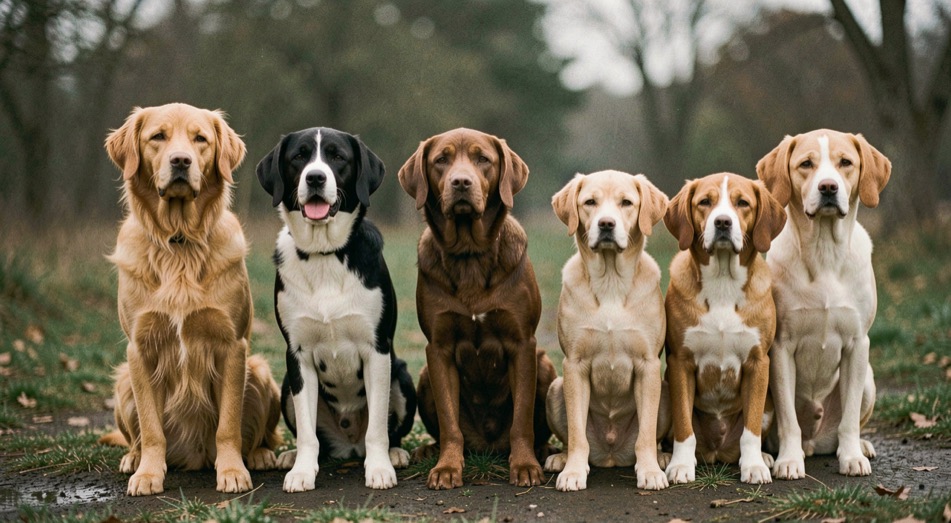
Start with what is genuinely visible. A Border Collie can be black, brown (chocolate), blue (dilute black), lilac (dilute brown), merle, brindle, sable, ee red, or white, with or without tan points. The white is a separate layer on top: a blaze up the face, a white collar, white chest, white feet and tail tip. Ticking and roaning add flecks or a mottled wash inside those white areas. Coat length varies too, from the classic medium double coat to shorter, and the undercoat is what drives most of the shedding and grooming workload.
For owners, breeders and rescue volunteers who have to describe a dog in a listing, a vet record or a conversation, precision matters. A practical English guide to coat colour and pattern, such as the one at Border Collie colour and pattern guide, is useful precisely because it separates what you can see from what you would have to test. Two dogs can look identical in a photo and carry different genes underneath.
What markings do not do is predict hips. A black and white dog with a perfect blaze can have severe hip dysplasia. A heavily ticked, oddly marked dog can have excellent hips. The coat is a signal about ancestry and appearance, not about the joint.
Why can two identically coloured Border Collies have very different hips?
Because hip and elbow quality is polygenic and heavily influenced by environment, while colour is a much simpler story. Identical coats mean identical appearance, not identical joints.
Hip dysplasia is a developmental condition. It involves the shape of the femoral head and acetabulum, the depth of the socket, joint laxity, and how the soft tissues mature as the dog grows. Many genes contribute, each with small effect, and their expression is modified by things no pedigree or colour chart records: growth rate, body condition through puppyhood, exercise on hard or slippery surfaces, and nutrition during the first year.
That is why two littermates, both black and white with white collars, can score completely differently. They share parents and often share coat genes, but they do not share an identical developmental environment, and the joint genes they inherited are not identical either.
This is also why colour is a poor screening tool. If you are choosing a puppy or evaluating a dog for a home, the useful documents are hip and elbow scores from an official scheme, plus the parents' scores, not the markings. A dog with a fashionable merle coat and a fashionable face is not thereby sounder. In some cases, merle breeding carries its own separate health considerations around pigment and sensory development, which is another reason to keep appearance questions and health questions apart.
The practical takeaway: judge the coat as a coat, and judge the joints with radiographs, scores and a veterinarian's assessment. They are two different examinations.
How do you describe a Border Collie's coat without confusing description and genotype?
Keep two columns in your head. Column one is what you see. Column two is what you would need a test to know.
Description is the easy part, and it should be plain. Black and white. Blue merle with tan points and a white blaze. Red with a white collar and light ticking. Brindle with white chest and feet. Say whether the coat is long or short, whether the undercoat is heavy, and whether the white extends past the shoulders. This is the language a rescue listing, a vet file or a buyer's question can use immediately.
Genotype is different. A dog that looks black may carry chocolate, or may carry dilute, and pass either to puppies. A dog that looks red (ee red) is not the same genetically as a dog that is brown with tan points, even if both read as reddish in some lighting. Merle is not a single on-off switch; it comes in forms and combinations that change how much white and how much pigment appear. Ticking and roaning are separate modifiers again.
So when someone asks what colour your Border Collie is, answer with the visible description first, then add what you know from testing or from the pedigree if you have it. Do not present a guess as a genotype. Do not present a genotype as if it were visible. And do not let a colour label stand in for a health claim.
The working build: what structure actually tells you
Build is more informative than colour, but still not a diagnosis. A working Border Collie is typically athletic, moderate in bone, with a flexible, balanced frame and good angulation. You can see topline, croup, shoulder layback and rear assembly in a standing dog, and you can see movement in a trot. None of that replaces a hip score.
What structure does give you is context. A dog carrying excess weight puts more load through every joint, and weight management is one of the few factors an owner controls directly. A lean, well-muscled dog with good body condition will generally cope better with the same joint conformation than an overweight one. That is true regardless of coat colour.
If you are watching an older dog, the visible signs worth noting are changes in gait, reluctance on stairs, stiffness after rest, and a shorter stride behind. These are clinical observations, not coat observations, and they belong in a conversation with your veterinarian.
Reading the whole dog, not just the picture
A Border Collie is a working dog with a coat, a set of markings, a build and a joint system, and those are four different things to assess. Markings describe appearance. Genotype explains inheritance. Build describes structure. Hip and elbow status describes measured joint health, and it comes from screening, not from looking.
If you are describing a dog, describe what you see and label it as description. If you are evaluating a dog for breeding or for a home, ask for the health records and read them. If you are choosing a puppy, ask about the parents' scores and about how the litter has been raised, because growth environment matters. Colour is the easiest thing to photograph and the least useful thing to rely on.
Keep the two questions separate and you will make better decisions: what does this dog look like, and what do this dog's joints actually measure? Only one of those can be answered from a photograph.
Background sources: American Kennel Club.